
The automotive industry is undergoing a major transformation as electric mobility moves from an emerging concept to an increasingly important part of transportation. With improvements in battery technology, charging infrastructure, government initiatives, and consumer awareness, the Future of Electric Vehicles is becoming an important topic for manufacturers, businesses, and everyday drivers.
India is also becoming an important market for electric mobility. From electric two-wheelers and three-wheelers to passenger cars and commercial vehicles, the adoption of cleaner transportation is creating new opportunities across the automotive sector.
But what will the next few years look like? What technologies will shape the industry, and what challenges need to be addressed?
Let’s explore the major trends, opportunities, and challenges shaping the future of electric mobility.
The Future of Electric Vehicles in India
India’s transportation needs are closely connected to urbanisation, growing vehicle ownership, and increasing demand for efficient mobility. Electric vehicles can play an important role in addressing some of these requirements while supporting the transition toward lower-emission transportation.
The future of electric vehicles in India will depend on several factors, including vehicle affordability, charging availability, battery performance, technology development, consumer confidence, and supporting policies.
Electric mobility is also expanding beyond passenger cars. Electric scooters, motorcycles, buses, three-wheelers, delivery vehicles, and commercial fleets are becoming increasingly relevant to the country’s transportation ecosystem.
1. Growing Adoption of Electric Mobility
One of the most noticeable changes in the automotive industry is the growing interest in electric transportation.
Consumers are increasingly considering electric vehicles because of factors such as running costs, reduced dependence on conventional fuels, quieter operation, and improvements in available models.
Businesses are also exploring electric fleets for delivery, logistics, employee transportation, and other commercial applications.
As manufacturers introduce more models across different price categories, electric mobility could become accessible to a wider range of consumers.
2. Advances in EV Battery Technology
Battery technology is one of the most important areas influencing the development of electric vehicles.
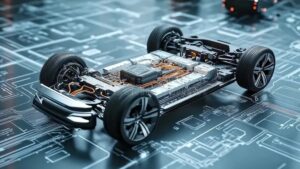
Modern batteries are becoming more efficient, while research continues into technologies that could improve energy density, charging speed, durability, safety, and overall cost.
Lithium-ion technology currently plays a major role in electric mobility, but manufacturers and researchers are also exploring alternatives such as solid-state batteries and other advanced chemistries.
Future improvements in batteries could help address some of the common concerns surrounding electric vehicles, particularly driving range, charging time, and battery cost.
3. Faster and More Accessible Charging Infrastructure
Charging infrastructure will be essential for widespread EV adoption.
A larger network of public charging stations can make electric mobility more convenient for people who travel longer distances or do not have access to private charging.
Home and workplace charging will remain important as well. For many daily users, charging overnight or during working hours can provide a practical alternative to visiting a fuel station.
The development of faster charging technology could further improve the ownership experience by reducing the amount of time required to recharge a vehicle.
4. More Affordable Electric Vehicles
Vehicle cost remains an important consideration for consumers.
As manufacturing processes improve and battery costs develop, manufacturers may be able to introduce electric vehicles across a broader range of price points.
The market is also likely to see greater differentiation between vehicles designed for city commuting, long-distance travel, commercial transportation, and premium use.
More choices can give consumers greater flexibility when selecting a vehicle based on their budget and requirements.
5. The Rise of Electric Two-Wheelers and Three-Wheelers
Electric mobility in India is not limited to cars.
Two-wheelers and three-wheelers are particularly important because they are widely used for personal transportation, commuting, deliveries, and commercial services.
Electric scooters and motorcycles can be suitable for many urban journeys, while electric three-wheelers can support passenger and goods transportation.
This segment could remain an important part of the country’s transition toward electric transportation.
6. Smart EVs and Connected Technology
The next generation of electric vehicles will increasingly combine electric powertrains with connected technologies.
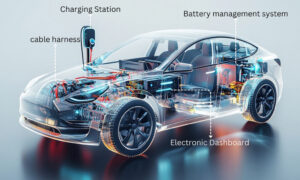
Modern EVs can incorporate features such as smartphone connectivity, remote vehicle monitoring, navigation systems, software updates, digital dashboards, driver-assistance technologies, and energy-management systems.
Software is becoming an increasingly important part of the vehicle ownership experience.
As connected technology develops, vehicles may become more integrated with charging networks, mobile applications, navigation services, and smart infrastructure.
7. Renewable Energy and Electric Mobility
The environmental benefits of electric transportation are closely connected to how electricity is generated.
As renewable energy sources such as solar and wind become more widely deployed, charging electric vehicles with cleaner electricity can strengthen the broader transition toward lower-carbon transportation.
This creates an opportunity to connect the EV industry with India’s growing renewable-energy ecosystem.
In the long term, charging infrastructure powered partly by renewable energy could become an important component of sustainable mobility.
Challenges Facing Electric Vehicles
Although the market is developing rapidly, several challenges still need attention.
Charging Infrastructure
The availability and distribution of charging stations remain important considerations, particularly for long-distance travel and areas where charging facilities are limited.
Initial Vehicle Cost
Electric vehicles can have a higher purchase price than some comparable conventional vehicles. Improvements in manufacturing and battery technology may help address this difference over time.
Battery Recycling
As the number of electric vehicles increases, responsible battery collection, recycling, and material recovery will become increasingly important.
Developing effective recycling systems can help reduce waste and recover valuable materials from used batteries.
Range and Charging Concerns
Some consumers remain concerned about driving range and charging time. Better batteries, improved charging networks, and more efficient vehicles can help address these concerns.
Supply Chain Requirements
The EV industry depends on a range of raw materials, components, electronics, batteries, and manufacturing capabilities. Building resilient supply chains will be important for long-term industry growth.
Opportunities in India’s Electric Vehicle Industry
The transition to electric mobility is creating opportunities beyond vehicle manufacturing.
Companies can participate in areas such as:
- EV component manufacturing
- Battery production
- Charging infrastructure
- Battery recycling
- Fleet electrification
- EV software and connected services
- Energy management
- Automotive electronics
- Mobility services
- Research and development
This means the electric vehicle industry in India could influence a broad range of businesses and supporting industries.
What Can We Expect From the Future of Electric Cars?
The future of electric cars is likely to involve more than simply replacing petrol and diesel engines with electric motors.
Vehicles are becoming increasingly connected, software-driven, energy-efficient, and integrated with digital services.
Future developments may include improved battery systems, faster charging, more efficient electric motors, advanced driver-assistance features, connected vehicle platforms, and greater integration with renewable energy.
The exact pace of adoption will depend on technology, infrastructure, consumer demand, manufacturing capacity, and economic conditions.
The Role of Consumers
Consumers will remain an important part of the transition.
When choosing an electric vehicle, buyers should consider more than just the purchase price. Factors such as daily driving distance, charging availability, battery warranty, running costs, vehicle size, after-sales support, and intended usage can all influence whether an EV is suitable for their needs.
As awareness increases, consumers are likely to become more familiar with the differences between various electric vehicle technologies and models.
The Road Ahead for Electric Mobility
The transition toward electric transportation is already influencing the automotive industry.
Manufacturers are investing in new platforms and technologies, businesses future of electric vehicles in India are exploring electric fleets, charging networks are expanding, and consumers are becoming more familiar with electric mobility.
The Future of Electric Vehicles will ultimately be shaped by the interaction between technology, infrastructure, policy, manufacturers, businesses, and consumers.
India has the potential to develop a broad electric mobility ecosystem that extends beyond vehicle sales to include batteries, charging, software, manufacturing, renewable energy, recycling, and new mobility services.
Conclusion
The Future of Electric Vehicles is closely connected to technological innovation and the changing needs of modern transportation. Battery improvements, charging infrastructure, connected vehicles, renewable energy, and expanding model choices are all contributing to the evolution of electric mobility.
India’s growing interest in electric future of electric vehicles in India transportation presents both opportunities and challenges. Addressing affordability, charging availability, battery recycling, supply chains, and consumer awareness will be important as the industry develops.
For businesses and consumers alike, understanding these changes can provide a clearer picture of where electric mobility is heading and how it may shape transportation in the years ahead.
FAQs
1. What is the future of electric vehicles in India?
The market is expected to continue developing as battery technology, charging infrastructure, vehicle availability, and consumer awareness improve. Two-wheelers, three-wheelers, passenger cars, and commercial vehicles can all contribute to this transition.
2. What technology will shape the future of electric vehicles?
Battery technology, fast charging, connected vehicle systems, software, automotive electronics, and energy-management technologies are among the major areas expected to influence future development.
3. What are the biggest challenges for electric vehicles?
Major challenges include charging infrastructure, upfront vehicle costs, battery recycling, charging time, driving-range concerns, and the development of reliable supply chains.
4. Will electric cars become more affordable?
Improved manufacturing processes, technological development, greater production volumes, and battery innovation could contribute to more competitive pricing, although actual costs will vary by vehicle and market conditions future of electric vehicles in India.
5. Why are electric vehicles important for India’s automotive industry?
Electric mobility is creating opportunities across vehicle manufacturing, batteries, charging infrastructure, software, components, recycling, energy management, and related services.
Read More…
1. The Future of Electric Vehicles: Trends Shaping the EV Industry in 2026
2. Auto EV Show 2027 Discover the Future of Automotive
3. 7 Reasons to Visit Auto EV Show 2027 in India
4. EV Technology Trends 2026: 7 Innovations Shaping the Future of Electric Vehicles

Written by Auto EV Show
Contributor at Autoev show.